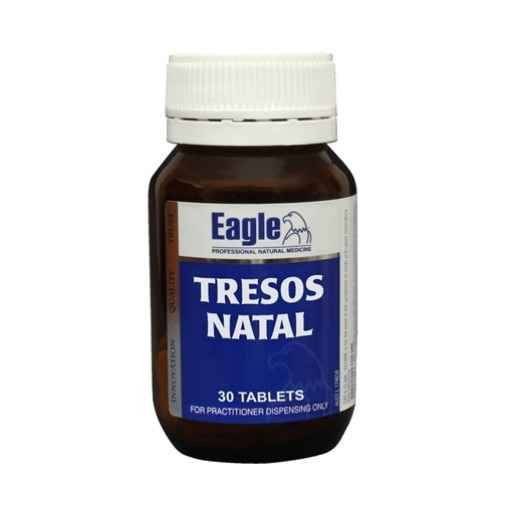
When it comes to finding a prenatal vitamin, it’s important not to let advertising hype sway your purchasing choices. Finding a prenatal should be about supporting any possible deficiencies in your nutritional intake with the highest quality supplements possible.
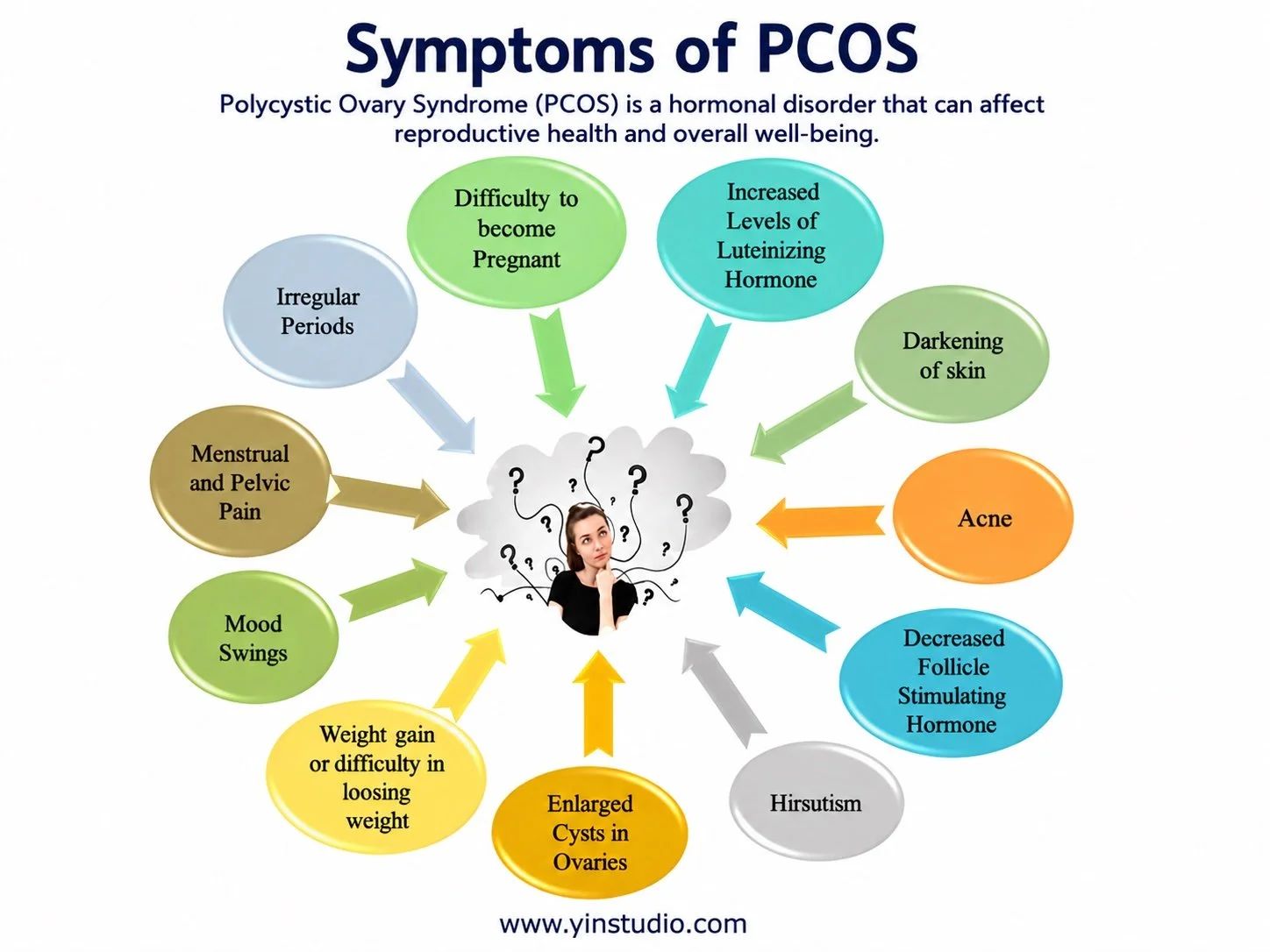
Read MorePolycystic ovarian syndrome (PCOS) is a common reproductive endocrine disorder and something we frequently treat in our practice. It often results in irregular or no menstruation and fertility difficulties due to the lack of regular ovulation.
This condition got its name because most of the women with PCOS (but not all) have ovaries that look enlarged and contain numerous small cysts on the outer edge of each ovary.
Five to ten percent of women of childbearing age have polycystic ovary syndrome, also known as PCOS. It can occur in girls as young as 11 years old. In approximately 75% of cases where young women have problems with menstruation due to late puberty,
PCOS is often diagnosed. Irregular, infrequent or absent periods, or periods with heavy flow and unbearable pain, are all variations of the problem.
Sometimes PCOS presents itself much later in life when a woman of childbearing age stops using contraceptive pills and finds herself having very long cycles or no cycles at all, and is unable to conceive.
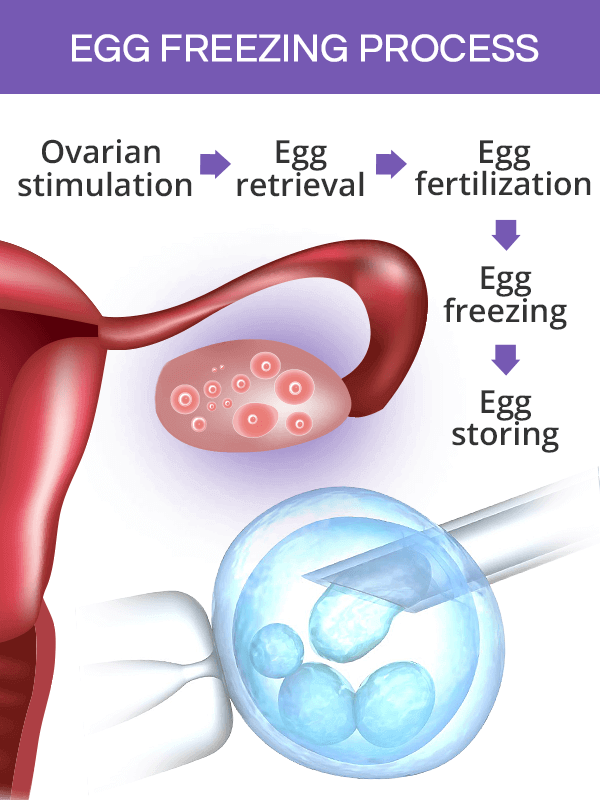
Read MoreAdvances in reproductive technology have made egg freezing more accessible and successful than ever before. However, one challenge I frequently see in clinical practice is that some women undergo egg retrieval only to find that the number of eggs retrieved is lower than expected.
Read MoreFood can be a very powerful ally to combat the painful symptoms of endometriosis. When it comes to hormone conditions like PCOS, fibroids, and endo, food is medicine, not just fuel or energy. Vitamins and minerals benefit specific cells, organs, and functions in the body — especially your hormones. The foods humans eat these days, and the way we eat them, is causing hormone issues. Our endocrine system is the system in your body responsible for regulating and releasing hormones. It can be thrown off by the foods you eat and changes in your body such as low and high blood sugar. Continuous disruption can develop into more serious hormonal disorders.
Read More